UNDP Logo
Global
Capacity Development
for Health

Procurement and supply chain management

Capacity Development for Health | Generated on December 15, 2025

Table of Contents

Overview

UNDP is taking a lead globally to support countries in the most challenging operating environments to procure health products and strengthen national supply chain systems, in close collaboration with other partners. UNDP’s expertise built through more than 15 years of implementing procurement and supply chain (PSM) support services under donor grants is being used to support ongoing reforms of national procurement strategies and operational policies, and to optimize national supply chain systems for health products.

Overview

UNDP supports countries in some of the most challenging operating environments to procure health products and strengthen national supply chain systems, working in close collaboration with other partners. UNDP’s expertise, built through more than 15 years of implementing procurement and supply chain management (PSM) support services under donor grants, is being used to support ongoing reforms of national procurement strategies and operational policies, and to optimize national supply chain systems for health products.

UNDP builds on its support to governments’ procurement of health products as an entry point to improve and build resilience in PSM systems in countries. While supporting the timely procurement of quality-assured medicines and other health products, UNDP works with governments, in coordination with the World Health Organization and other partners, to help enhance national capacities and systems for the adequate PSM through transparent and accountable mechanisms.

It helps countries to achieve value-for-money in procurement and supply chain activities, it guarantees the quality of the products and services provided, and it sustainably improves the performance of national procurement and supply chain systems using both donors and domestic funds.

UNDP’s approach

UNDP’s approach to procurement and supply chain management capacity development is built on a participatory and inclusive process. It seeks to address capacity gaps at all levels of the supply chain, including selection, quantification, procurement, storage, distribution, logistics management and the use of health products, with a cross-cutting emphasis on meeting quality assurance standards, fostering enabling legal and regulatory environments, and promoting environmental sustainability in PSM.

UNDP supports situation analyses and national supply chain maturity assessments to enable the development of national PSM strategies and improvement plans. The approach engages the contributions of technical partners to define the national priorities and develop integrated solutions for national supply chains.

UNDP strongly encourages the establishment of national coordination platforms under the leadership of national authorities (e.g. the ministry of health or supply chain entities) to steer the implementation of supply chain transformation projects and monitor progress and performance. All national and international stakeholders should be part of the coordination mechanism. As a member of the coordination platform, UNDP will support the implementation of prioritized activities in close collaboration with national counterparts to strengthen national leadership and management. It likewise provides project management support to ministry of health counterparts to lead the capacity development projects, measure progress, identify risks and propose mitigation measures.

Potential activities through which UNDP might assist national and subnational actors across the supply chain include technical assistance to:

  • define the relevant specifications and appropriate quality standard requirements for selected products
  • quantify needs based on reliable programmatic and logistic information
  • carry out sourcing and supply planning and conduct procurement processes
  • store and distribute health products while monitoring their quality
  • establish logistic information systems with analytic capabilities for stock visibility and security and logistic data reliability, for informed supply planning decisions
  • design solutions for “last-mile” delivery up to the most hard-to-reach populations
  • strengthen policies and regulatory frameworks, including on intellectual property, to remove potential barriers to equitable access to affordable medicines and other health products.

UNDP has also been able to leverage its global procurement architecture and expertise to support health procurement efforts within national COVID-19 response plans, in coordination with other agencies. It has helped countries to procure quality-assured products, including personal protective equipment, medical equipment, test kits and ventilators, including through funding from the Global Fund to Fight AIDS, Tuberculosis and Malaria (The Global Fund) COVID-19 Response Mechanism.

Cross-cutting tools, processes and frameworks for strengthening procurement and supply chain management systems

This section provides guidance and tools to build capacities at all stages of the procurement and supply chain management (PSM) cycle. Some examples of tools, approaches and resources in cross-cutting areas of PSM strengthening, such as human resources, innovation and sustainability, can be found below.

Human resources for procurement and supply chain management

UNDP recognizes that a knowledgeable, skilled, motivated workforce is crucial for implementing procurement and supply chain management (PSM) strategies and plans. Human resources for health strategies are a fundamental part of developing resilient PSM systems and should encompass sustainable solutions for the education, recruitment and retention of human resources for PSM.

In several countries, UNDP has strengthened human resources through a scaling-up of on-the-job and formal training sessions, including through professional certification programmes for health workers in PSM-related areas, such as accreditation from the internationally recognized Chartered Institute of Purchasing and Supply (CIPS) and supply chain leadership programmes with partner organizations.

UNDP has also developed online introductory training courses on PSM, accessible in four United Nations languages. The training sessions are intended to support the capacity development of health system personnel and partners by increasing understanding of the importance of PSM to ensure the uninterrupted supply of life-saving medicines and other health products.

UNDP can additionally support countries to mobilize expertise and technical assistance to reinforce human resources through international consultants where relevant. To strengthen its capacity to effectively support partners worldwide, UNDP has established a pre-approved health PSM roster of experts and senior experts, who are ready to provide consultancy services for sustainable development in PSM, specifically pertaining to the health sector. The health PSM roster contains qualified individual consultants based on competencies and value-for-money principles that may be called upon to be contracted and deployed to provide specific technical advice and short-term consultancies for periods of time, normally not exceeding 12 months.

Innovations in procurement and supply chain management

UNDP seeks out and uses the latest innovation and technology for health, which is central to supporting resilient and sustainable systems for health. UNDP is involved in piloting and implementing several innovations in the supply chain. These include:

  • Upstream innovation for sustainable procurement, such as engaging manufacturers through its long-term agreements, optimizes medicine packaging to reduce waste and freight costs.
  • Supporting mobile phone-based or other electronic logistic management information systems (eLMIS) allows the tracking of inventory, the consumption of data and the monitoring of cold chain temperature for vaccines at the most peripheral storage level. Read more
  • The Solar for Health initiative leverages solar energy to ensure the sustainable provision of electricity to pharmaceutical warehouses and health facilities. This guarantees not only the functioning of cold chain equipment but also the storage of health products at controlled temperature and electricity for computer-based warehouse management systems and LMIS, among other things.
  • Promoting the adoption of the Global Data Standards (GS1) improves the traceability of health products along national supply chains, through joint efforts with other agencies of the Interagency Supply Chain Group (ISG). This also improves supply chain security and reduces the risk of falsified health products being introduced into the national supply chain.
  • Global partnerships to facilitate coordination and learning on the latest technologies for procurement and supply chain management (PSM). UNDP is participating with other agencies in global coordination mechanisms, such as the Interagency Supply Chain Group (ISG) and Sustainable Procurement in the Health Sector (SPHS), to introduce innovations and the use of technologies in PSM.

Additional initiatives can be found in the ‘Innovation and digital technologies’ section, include the application of Smart Facilities to strengthen the sustainability of physical infrastructure in supply chains.

A procurement architecture to create value for money

UNDP’s principles for guiding health procurement are:

  1. provide the best value for money;
  2. embody fairness, integrity, and transparency;
  3. engage in effective international competition.

UNDP has developed and continues to manage a procurement architecture designed to facilitate the timely supply of affordable quality assured pharmaceutical and other health products to meet the needs of national programmes using donor grants and domestic funds for health procurement supported by UNDP through a value-for-money service proposition. The UNDP health procurement architecture comprises several partnerships and sourcing agreements with other United Nations agencies, manufacturers and other commercial entities to provide the most cost-efficient procurement system for each health product category.

As a result, UNDP health procurement has achieved competitive prices for health products. These savings are reinvested to support increased health service coverage or strengthen national supply chain systems. Similarly, UNDP’s capacity-building for in-country procurement processes and operations aims to achieve efficiencies to be reinvested to strengthen other areas of the procurement and supply chain management cycle.

UNDP is also working to reduce monetary and environmental costs related to transport, health care waste, and packaging. This likewise promotes value for money in health procurement for recipient countries. Increasingly, this type of approach is meant to be transferred and applied in country-led procurement processes supported by UNDP.

The Global Fund investments to strengthen global and in-country procurement and supply chain management systems

UNDP works closely with the Global Fund in a number of countries to implement capacity development interventions for procurement and supply chain management (PSM). Improved access to essential medicines and health products is critical to fighting HIV, tuberculosis and malaria and is recognized as a key building block of a strong system for health. Weak procurement and ineffective supply chains reduce the overall health system’s ability to respond to the health-care needs of the population. As part of its strategy, “The Global Fund Strategy 2023–2028: Fighting Pandemics and Building a Healthier and More Equitable World”, the Global Fund prioritizes investments in building Resilient and Sustainable Systems for Health including capacity development for PSM systems
Selection

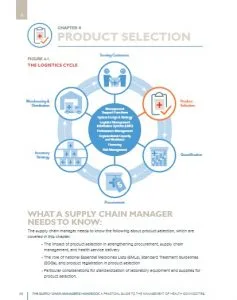
Health product selection refers to the process by which health programmes select and ultimately procure the ‘right’ health products that will be used at different levels of the health care system. To ensure value for money, the selection of health products should be in accordance with national treatment guidelines or national diagnostics algorithms or national essential list of medicines, that are revised periodically and/or in accordance to WHO prevention and treatment guidelines.

What are essential medicines?

Essential medicines are those that satisfy the priority health-care needs of the population. Essential medicines are selected with due regard to disease prevalence and public health relevance, evidence of clinical efficacy and safety, and comparative costs and cost-effectiveness. Essential medicines are intended to be available within the context of functioning health systems at all times in adequate amounts, in the appropriate dosage forms, with assured quality and at a price the individual and the community can afford.

Source: World Health Organization

Policy considerations for the selection of essential medicines:

  • “Access to essential medicines depends on four factors: rational selection, affordable prices, sustainable financing and reliable health systems.
  • The selection of essential medicines, preferably linked to standard clinical guidelines, is a crucial step in ensuring access to health care and promoting rational use by health professionals and consumers.
  • Official adoption of the essential medicines concept identifies priorities for government involvement in the pharmaceutical sector in general, and for medicine supply in the public sector and medicine benefits as part of health insurance in particular.
  • Systematic and transparent procedures for defining the national list(s) of essential medicines, on the basis of evidence-based treatment guidelines should be established”

Source: World Health Organization (2002). The Selection of Essential Medicines.

UNDP’s approach

When UNDP acts as interim Principal Recipient of grants from the Global Fund to Fight AIDS, Tuberculosis and Malaria (The Global Fund), UNDP supports ministries of health in the selection of quality-assured medicines and diagnostic products, recommended in the current national guidelines, the World Health Organization (WHO) Standard Treatment Guidelines and/or the WHO Essential Medicines List.

Similarly, for other health products such as bednets, insecticides and condoms, the selection is based on the WHO recommendations for use and the national guidelines. In collaboration with other partners, UNDP also supports the selection of diagnostic technologies and equipment for the improvement of central and peripheral laboratories towards optimization of diagnostic services and according to the national laboratory strategy.

Countries with low and lower–middle income may engage UNDP’s support through financing agreements for the procurement of anti-cancer medicines and other medicines for non-communicable diseases using state funds. This includes support to clarify clinical needs and specifications for health products, including to determine the most appropriate strengths and formulation. Financing agreements between UNDP and countries for health procurement entails consultations with the country counterparts to define detailed specifications of required health products and to select the most appropriate technologies. UNDP advises countries on product selection based on the scientific evaluation of health products done by the WHO relevant committees.

Among the United Nations agencies, WHO is also mandated to support countries in the development of evidence-based guidelines and the review of national essential medicines lists.

Key Resources

The Global Fund Procurement Policy and Procurement Regulations

The Global Fund’s selection of medicines, diagnostics and other health products for supported countries is based on principles outlined in the “Guide to Global Fund Policies on Procurement and Supply...
AUTHOR: The Global Fund LANGUAGE: English FILE FORMAT: Web Link

Managing Medicine Selection

Management Science for Health. MDS-3: Managing Access to Medicines.
AUTHOR: Management Science for Health (MSH) LANGUAGE: English FILE FORMAT: Web Link

Global Fund policies and principles for sourcing & management of health products

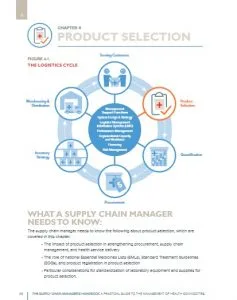
John Snow, Inc. The Supply Chain Manager’s Handbook.
AUTHOR: John Snow LANGUAGE: English FILE FORMAT: PDF

GRADE: Grading of Recommendations Assessment, Development and Evaluation

WHO Standard Treatment Guidelines as well as WHO recommendations on diagnostics are developed using the GRADE (Grading of Recommendations Assessment, Development and Evaluation) methodology. This method, which has been adopted...
AUTHOR: WHO LANGUAGE: English FILE FORMAT: Web Link

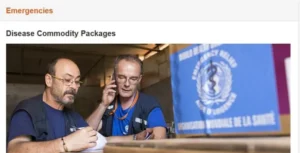
WHO | Disease Commodity Packages

The Disease Commodity Packages are a series of disease-specific datasheets that list the critical commodities and the technical specifications for each commodity per disease.
AUTHOR: WHO LANGUAGE: English FILE FORMAT: Web Link

WHO Model List of Essential In Vitro Diagnostics

WHO has developed several evidence-based recommendations for the selection and use of diagnostic tools outlining conditions for use at the different level of the health system. In May 2018, the...
AUTHOR: WHO LANGUAGE: English FILE FORMAT: Web Link

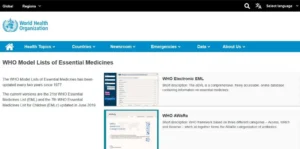
WHO Model Lists of Essential Medicines

WHO has established the WHO Model Lists of Essential Medicines for adults and children, which are updated every two years and act as tools for the selection of medicines, jointly...
AUTHOR: WHO LANGUAGE: English FILE FORMAT: Web Link

Quantification

Purpose

Quantification is the process of estimating the quantities of health products and the financial means required for a health programme or service for a given period. It refers to the step that determine the ‘right’quantities of health products to be procured for ensuring uninterrupted supply.

The results of a quantification exercise help programme managers to:

  • identify the funding needs and gaps for procurement of the required commodities;
  • leverage the sources, amounts, and timing of funding commitments to maximize the use of available resources;
  • advocate for additional resources, when needed;
  • develop a supply plan to coordinate procurements and shipment delivery schedules to ensure a continuous supply of commodities.

Source: John Snow, Inc. (2017). The Supply Chain Manager’s Handbook.

UNDP’s approach

UNDP has supported quantification activities for malaria, tuberculosis and HIV health products for national quantification committees in all countries funded by the Global Fund to Fight AIDS, Tuberculosis and Malaria (The Global Fund) since 2002. UNDP encourages the use of standardized quantification tools developed by partners. UNDP also provides expertise during national quantification committee meetings and the training of personnel responsible for forecasting the needs for medicines, diagnostics and laboratory items for the three diseases.

For countries receiving the Global Fund grant funds, strengthening quantification processes is a key element to ensure that the right quantities of health products are procured to prevent overstock or products being out of stock. Support may include the review of the quantification process and the terms of references of national quantification committees.

UNDP offers technical assistance on quantification to countries beyond those receiving the Global Fund funds as well, by mobilizing partners with quantification expertise or directly by including this need in service level agreements with UNDP.

Key Resources

ARV Forecasting Tool by the Clinton Foundation HIV/AIDS Initiative

Some programme-specific quantification tools exist, such as for HIV/AIDS
AUTHOR: Clinton Foundation LANGUAGE: English FILE FORMAT: Web Link

Quantification of Health Commodities

John Snow, Inc. The Supply Chain Manager’s Handbook.
AUTHOR: John Snow LANGUAGE: English FILE FORMAT: PDF

Quantifying pharmaceutical requirements MDS-3

Management Science for Health (2012). Managing Access to Medicines and Health Technologies.
AUTHOR: UNDP LANGUAGE: English FILE FORMAT: PDF

Estimating Drug Requirements: A Practical Manual, WHO

A practical manual by WHO for the quantification of medicines.
AUTHOR: WHO LANGUAGE: English FILE FORMAT: PDF

Procurement

Purpose

An effective procurement process seeks to ensure the availability of the right health products in the right quantities, at the most affordable prices while ensuring recognized standards of quality.

Strategic objectives for good pharmaceutical procurement include:

  • selection of reliable suppliers of high-quality products
  • procurement of the most cost-effective pharmaceutical products in the right quantities and that meet quality standards
  • mitigation of possible risks
  • timely delivery
  • achievement of the lowest possible total cost (which includes the price, cost of analysis and transport).

Source: World Health Organization (2014) Model Quality Assurance System for Procurement Agencies (MQAS)

To be effective, a procurement agency should ensure that the following principles are applied:

  • Prequalified products are purchased from approved manufacturers or suppliers.
    Procurement and purchasing procedures are transparent.
  • Activities follow formal written procedures throughout the process, including explicit criteria for awarding contracts.
    Procurement includes an independent contract review.
  • Purchasing is based on the defined procurement policy of the procurement agency.
  • Purchasing and tender documents list all pharmaceutical products by their international non-proprietary name or national generic name.
  • Suppliers are selected and monitored through a process that takes into account product quality, service reliability and performance, delivery time, ethics, legal status, financial viability and minimum order quantities.
  • Intellectual property rights are respected in accordance with best practice and national law.

Source: World Health Organization (2014) Model Quality Assurance System for Procurement Agencies (MQAS)

UNDP’s approach

Support to countries for health procurement can be provided by UNDP for several categories of medicines for infectious diseases such as HIV, tuberculosis (first-line drugs) and for non-communicable diseases, such as cancer and cardiovascular diseases, and other related medicines. All the procurement of pharmaceuticals and other health products is performed in full compliance with the UNDP Quality Assurance Policy for Health Products. Furthermore, UNDP’s offer can include procurement for a broad range of laboratory and hospital equipment as well as solar panels and related equipment. In 2020, UNDP supported procurement in the context of national responses to the COVID-19 pandemic, including securing and supplying live-saving personal protective equipment, diagnostics and hospital equipment to countries globally. UNDP has delivered COVID-19 related products valued at over $213 million to 140 country offices.

UNDP has two decades of experience procuring and managing health products for large-scale HIV, tuberculosis and malaria programmes funded by the Global Fund to Fight AIDS, Tuberculosis and Malaria (The Global Fund). In many countries, UNDP also receives requests from governments to procure health products using state funds. Service-level agreements between UNDP and countries can either relate exclusively to procurement operations or include capacity development in selected procurement and supply chain management (PSM) areas, such as the strengthening of quantification processes, the establishment of a national procurement agency and the infrastructural and functional improvement of central and peripheral warehouses. Training and certification curricula for the staff of procurement units from ministries of health and governmental agencies are also included in the offer.

UNDP uses its health procurement support as an entry point for developing capacity in different areas of the PSM cycle, including on the procurement function. As an example, in Sudan, UNDP provided capacity-building on procurement through the formal training of staff from the national procurement department and through on-the-job training by posting out UNDP staff to the Ministry of Health. In countries such as Angola and Bolivia, UNDP has provided technical assistance on procurement planning processes. UNDP has also provided support for strengthening national procurement systems to countries in Eastern Europe and Central Asia, which have signed service-level agreements for health procurement with UNDP. In Ukraine, procurement operations with state funds have been linked to a four-year plan to establish and develop the capacity of the national procurement agency within the Ministry of Health. The ultimate objective is to reform and build a cost-efficient, transparent procurement system, build the structural and human resource capacity and progressively hand over procurement activities.
Prioritizing sustainability in procurement

In close collaboration with governments, United Nations agencies, manufacturers, freight forwarders and partners, UNDP is adopting incremental measures and models in its health procurement practices to minimize the environmental impact and to incorporate economic and social sustainability. Learn more on the Sustainable procurement page.

Tools and support mechanisms

UNDP jointly with the Chartered Institute of Purchasing and Supply (CIPS) has established a training and certification curriculum tailored to UNDP staff and staff from the procurement units of ministries of health, national medical stores and non-governmental organizations.

Building on its experience managing procurement operations to support Global Fund to Fight AIDS, Tuberculosis and Malaria (Global Fund) recipient countries, UNDP has set up a consolidated international procurement architecture comprising several partnerships and sourcing agreements with other United Nations agencies, manufacturers and other commercial entities. In recent years, UNDP has used this architecture to procure on average around $350 million a year in pharmaceuticals and other health products for countries. This includes both direct procurement by UNDP and procurement by partners for specific categories of products, such as for drug-resistant tuberculosis and reproductive health.

UNDP’s long-term agreements with suppliers of medicines for HIV and tuberculosis have resulted in significant economies of scale. For example, in 2017, UNDP achieved a landmark cost for first-line antiretroviral drugs – the fixed-dose combination of Tenofovir, Lamivudine and Efavirenz (TLE) – of $75 per patient per year (Free Carrier (FCA) incoterm or International Commercial Terms price). The savings from pooled procurement for the antiretroviral fixed-dose combination of TLE, which accounted for $55 million in 2017, allowed UNDP to pilot measures for environmentally sustainable procurement.

In 2016, UNDP started procuring other health products including medicines for non-communicable diseases (NCDs), such as for cancer, cardiovascular diseases, diabetes, chronic respiratory diseases, and other non-infectious diseases. In many countries, UNDP receives requests from governments to procure these products using state funds.

UNDP’s Solar for Health initiative has also resulted in the establishment of health sector long-term agreements with suppliers to provide solar technologies and equipment for PSM infrastructure.

Key Resources

Health Product Management (HPM), UNDP-Global Fund Manual

UNDP staff managing health procurement for the Global Fund supported countries can find more in-depth instructions and procedures in the UNDP-Global Fund/Health Implementation Guidance Manual.
AUTHOR: UNDP LANGUAGE: English FILE FORMAT: Web Link

Guide to Global Fund Policies on Procurement and Supply Chain Management of Health Products

The Global Fund principles and standards related to quality assurance of health products are summarized in this booklet
AUTHOR: The Global Fund LANGUAGE: English FILE FORMAT: PDF

Health Commodity Procurement

John Snow, Inc. The Supply Chain Manager’s Handbook.
AUTHOR: John Snow LANGUAGE: English FILE FORMAT: PDF

Managing Procurement MDS-3

Management Science for Health. Managing Access to Medicines.
AUTHOR: Management Science for Health (MSH) LANGUAGE: English FILE FORMAT: Web Link

WHO Model Quality Assurance System for Procurement Agencies (MQAS)

World Health Organization
AUTHOR: WHO LANGUAGE: English FILE FORMAT: PDF

Operational Principles for Good Pharmaceutical Procurement

World Health Organization – Interagency Guidelines
AUTHOR: WHO LANGUAGE: English FILE FORMAT: Web Link

Storage

Purpose

Storage facilities should be compliant with the pharmaceutical good storage practices to ensure stock security and to preserve the quality, efficacy and safety of medicines and other health products throughout the supply chain until it reaches the end users. In addition, storage includes a set of activities performed by qualified personnel, from products reception, inventory management to dispatch for distribution to subsequent service delivery points.

Requirements for good storage from central to peripheral level include:

  • a facility with adequate storage and working space for its intended use as well as infrastructure components that will protect commodities from harmful environmental conditions and diversions.
  • application of adequate inventory management procedures so that commodities are always available, accessible, in good condition, and pose no risk of injury to workers;
  • availability of timely and accurate inventory data for informed decision-making;
  • qualified human resources in sufficient quantity to meet operational needs.

Source: John Snow, Inc. (2017). The Supply Chain Manager’s Handbook.

UNDP’s approach

UNDP has expertise in the assessment of national supply chains with the identification of needs and their prioritization. UNDP can offer support in the development of supply chain strategies and in infrastructure projects to address storage and supply chain needs from the central to peripheral levels.

UNDP’s Solar for Health Initiative is used to build additional resilience and connectivity in the supply chain, equipping warehouses and health facilities with solar panels and therefore ensuring electricity for cold chain, controlled temperature storage and computer-based electronic warehouse management systems and logistics management information systems. As part of its Smart Facilities initiative, UNDP also offers a range of other digital solutions to strengthen the sustainability and efficiency of infrastructure. It likewise draws on technical solutions implemented in other sectors, including those identified through the UNDP-Singapore Global Centre for Technology, Innovation and Sustainable Development
Overall support is provided through expert advice in areas such as:

  • the development of quality assurance and good storage practices training programmes;
  • the procurement and calibration of temperature recording loggers;
  • the procurement and installation of cooling units;
  • the development of self-inspection programme;
  • the support to outsource storage and distribution to a service provider for storage and distribution.

Examples

Over the years, UNDP has participated in various projects devoted to improving inventory management and storage conditions of health products.

Supply chain assessments

Sustainable and resilient health systems require a functional supply chain system, including the adequate management of central-, regional- or district-level stores. UNDP has been involved in supporting the assessment of national supply chains systems, including in Chad, Equatorial Guinea, Sudan, Tajikistan, Zambia and Zimbabwe.
Supply chain strategies

In some countries, UNDP has also taken an active role in the development of supply chain strategies under the leadership of the national authorities and in facilitating the collaboration of supply chain partners, such as in South Sudan, Sudan and Burundi. Such strategies are critical to defining priorities among the identified needs, establishing work plans and related budgets, coordinating inputs from different partners and optimizing available resources to strengthen the national supply chain.

Health infrastructure works

UNDP has a track record of experience in managing infrastructure projects to improve storage capacity and conditions. In particular, UNDP has conducted extension of storage capacity projects at different levels of the supply chain (central, regional, peripheral) in numerous countries.

These projects have included support to build a new national warehouse Guinea-Bissau and renovate a malaria products warehouse in Bolivia. In Sudan, Kyrgyzstan and Turkmenistan, UNDP has provided support to strengthen national warehousing and to equip and renovate storage facilities at different levels of the supply chain for pharmaceutical and other health products. All infrastructural/warehousing projects are considered holistically and are often coupled with the provision of equipment (e.g. shelves, pallets, forklifts, ventilation/air-conditioning systems, warehouse management information systems) to ensure good storage conditions in terms of temperature, humidity, cleanliness, pest control and light exposure and stock security.

As a part of this comprehensive offer, UNDP has also installed solar panels on medical warehouses in Angola, Sudan, Zambia and Zimbabwe, among other countries, to ensure continued power supply for cold chain equipment and controlled temperature storage conditions.

Infrastructure projects are combined with capacity development in the implementation of good storage practices, related to personnel, premises and facilities, storage requirements, returned goods, dispatch and transport, and product recall. For example, technical assistance on storage and inventory management at the central level has been provided in Guinea-Bissau and South Sudan. As an interim Principal Recipient of the Global Fund to Fight AIDS, Tuberculosis and Malaria grants in some countries, UNDP country office specialist(s) systematically participate in national technical procurement and supply chain management working groups involved in the monitoring of health product stock levels and supply chain strengthening.

Case Study: Resilience and Sustainable Infrastructure for Stronger Supply Chains in Mozambique

In 2019, UNDP began supporting Mozambique’s Ministry of Health (MoH) with health infrastructure development to improve the storage of medicines and health products and the disposal of medical waste, under the National Logistics Pharmaceutical Plan. Through a financing agreement under the Global Fund HIV and tuberculosis grant, UNDP and the MoH established and renovated central and regional medical warehouses.

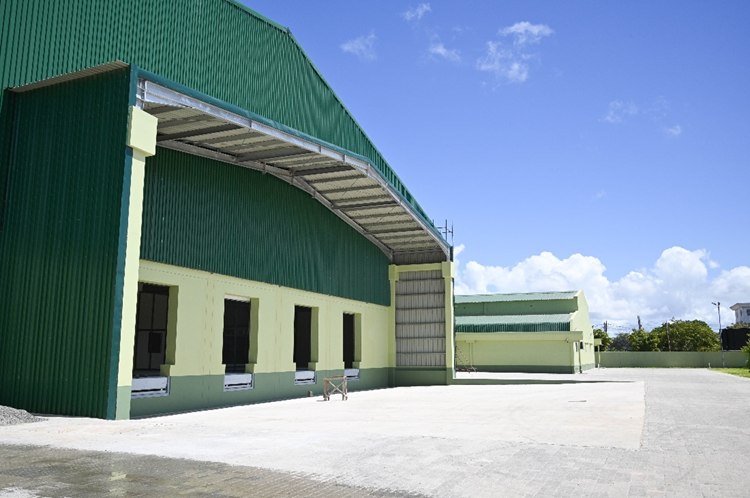
The Chimoio regional warehouse was inaugurated in July 2021 to provide a secure storage and distribution point and consistently supply quality medicines and health products in Manica province, including at the last mile. The warehouse serves 139 Health Facilities covering a population of about 2,298,753 in the Manica province (Source: Centre for Medicines and Medical Products, CMAM). This fully equipped, 2,278 m2 warehouse was also the first in Mozambique to install a containerized incinerator to manage biomedical waste. In June 2023, UNDP and the MoH reopened the Beira Central Warehouse in Sofala province, which was damaged by Cyclone Idai in 2019. This warehouse can withstand winds of up to 200 km/h. The initiative increases access to quality health products in remote areas affected by disasters, as part of UNDP’s broader work to promote inclusion, resilience and sustainability.

Photo: Beira Central Warehouse, after renovation in March 2023

Operated by CMAM, the Beira Central Warehouse supplies 4 provinces in the Central Region of the country: Sofala, Manica, Tete and Zambezia. This includes supplying the Central Hospitals of Beira and Quelimane cities, serving 187 Health Facilities and covering a population of approximately 2,674,787 in these provinces (Source: CMAM). The warehouse includes:

  • A maximized and optimized racking system with more than 5,000 pallets
  • Flexi stackers for improved product handling and storage management
  • Enhanced security systems with up-to-date computer, data, and security systems
  • An 800% increase in electricity production, up to 1000 kVA, providing a reliable source of power.
  • Storage capacity of 42 m3 of clean water and 36 m3 of rainwater for the operation and maintenance of the facility’s safety.

In recent years, UNDP Mozambique has established new partnerships with the Islamic Development Bank to expand health centres in response to COVID-19. UNDP Mozambique is also working alongside the MoH and Gavi, the Vaccine Alliance to strengthen waste management policies. Discussions have started to provide options for the establishment of Smart Facilities for Health at various points of the supply chain in the coming years, which would improve the sustainability and reliability of health services.

Case study: Transforming NatPharm Warehouse to Strengthen Healthcare in Zimbabwe

The newly commissioned NatPharm warehouse in Masvingo, Zimbabwe, funded by the Global Fund and supported by UNDP, marks a significant improvement in healthcare delivery. The US$3.66 million facility will enhance the storage and distribution of medicines to over 250 health institutions across the province. Equipped with solar power and modern handling systems, the warehouse will help address supply chain inefficiencies and improve access to life-saving treatments for HIV, TB, and malaria. This project is part of the ongoing Resilient Systems Strengthening for Health (RSSH) initiative, which has seen $30 million invested in improving Zimbabwe’s health infrastructure.
Learn more.

Key Resources

Inventory management MDS-3

Management Science for Health. Managing Access to Medicines.
AUTHOR: Management Science for Health LANGUAGE: English FILE FORMAT: Web Link

Medical Stores Management MDS-3

Management Science for Health. Managing Access to Medicines.
AUTHOR: Management Science for Health (MSH) LANGUAGE: English FILE FORMAT: Web Link

Warehousing and Distribution

John Snow, Inc. The Supply Chain Manager’s Handbook.
AUTHOR: John Snow LANGUAGE: English FILE FORMAT: PDF

Good Distribution Practices for Pharmaceutical Products, Technical Report Series

World Health OrganizationEstablished standards for the storage of pharmaceuticals. The standards are known as good storage practices.
AUTHOR: WHO LANGUAGE: English FILE FORMAT: PDF

Distribution

Purpose

In-country distribution systems are designed to move health products down the pipeline from central warehouses the final service delivery point (last mile) or until they reach end-users. They are key to maintaining an uninterrupted supply of health products.

A in-country health product distribution system should achieve the following objectives:

  • maintain an uninterrupted supply of health products to the end users;
  • keep medicines and other health products in good conditions throughout the distribution chain;
  • ensure secured transport conditions to prevent diversion, losses of health products due to spoilage and expiry;
  • contribute to stock visibility across the supply chain and facilitate tracking and traceability of products with accurate inventory records;
  • optimize storage points according to public health objectives;
  • use available transportation resources as efficiently as possible, including considering opportunities for public private partnerships with third party logistics;
  • provide regular operational information for forecasting health products needs.

UNDP’s approach

UNDP offers expertise to countries to conduct assessments of existing national supply chains’ maturity and to identify interventions for capacity-strengthening related to distribution chains. Within its broader support for the formulation of supply chain strategies, UNDP helps to design and operationalize distribution systems. This support is also complemented by infrastructure and pilot projects to improve logistic management information systems, which are essential to plan, monitor and review distribution cycles at different levels of the supply chain.

As part of the development of supply chain strategies, UNDP helps to address distribution needs, support national counterparts to design the optimal distribution system according to the country context and convene players to agree on comprehensive work plans. This helps to strengthen national distribution supply systems that are either managed by the central medical store or outsourced. UNDP also supports the selection of key performance indicators to track the optimization and performance of distribution and transport systems.

UNDP has also promoted the use of digital data loggers and other innovative tools in the distribution chain of several countries to ensure the effective monitoring of temperatures and product tracking during transport.

Reaching hard-to-reach areas with essential health products in Sudan amidst COVID-19

Navigating sanctions, using its procurement experience and strengthening Ministry of Health capacity, UNDP has a history of supporting health ministries with grants from the Global Fund to Fight AIDS, Tuberculosis and Malaria in complex environments. While procuring and delivering essential medicines, UNDP aims to transfer full responsibility to national agencies.

Working with Sudan’s Federal Ministry of Health and NSMF, a solution was developed: providing a five-month supply of medication and laboratory supplies to in-need areas of Sudan and deploying an inter-state fleet of permitted World Food Programme trucks for distribution.

Read more

Key Resources

System Design & Strategy

John Snow, Inc. (2017). The Supply Chain Manager’s Handbook.
AUTHOR: John Snow LANGUAGE: English FILE FORMAT: PDF

Warehousing and Distribution

John Snow, Inc. (2017). The Supply Chain Manager’s Handbook.
AUTHOR: John Snow LANGUAGE: English FILE FORMAT: PDF

Transport Management MDS-3

Managing Access to medicines, Management Science for Health, 2012
AUTHOR: Management Science for Health (MSH) LANGUAGE: English FILE FORMAT: Web Link

Managing Distribution MDS-3

Management Science for Health (2012). Managing Access to Medicines.
AUTHOR: Management Science for Health (MSH) LANGUAGE: English FILE FORMAT: PDF

Pharmaceutical Supply Strategies MDS-3

Management Science for Health (2012). Managing Access to Medicines.
AUTHOR: Management Science for Health LANGUAGE: English FILE FORMAT: PDF

Good Distribution Practices for Pharmaceutical Products, Technical Report Series

World Health OrganizationEstablished standards for the storage of pharmaceuticals. The standards are known as good storage practices.
AUTHOR: WHO LANGUAGE: English FILE FORMAT: PDF

WHO Model Quality Assurance System for Procurement Agencies (MQAS)

World Health Organization
AUTHOR: WHO LANGUAGE: English FILE FORMAT: PDF

Use of medicines and other health products

Purpose

Use of medicines entails the concept of ‘rational use’, pharmacovigilance, and waste management. Similarly, the appropriate use of diagnostics and laboratory devices is linked to the respect of the international guidance on condition of use, and other aspects such as installation, calibration, training and maintenance plans for more complex diagnostics.

The rational use of drugs requires that patients receive medications appropriate to their clinical needs, in doses that meet their own individual requirements, for an adequate period of time, and at the lowest cost to them and their community.

World Health Organization

The World Health Organization advocates the following key interventions to promote more rational use:

  • establishment of a multidisciplinary national body to coordinate policies on medicine use;
  • use of clinical treatment guidelines;
  • development, regular update and use of national essential medicines list, in line with clinal guidelines;
  • regular availability of timely and accurate inventory data for informed decision-making;
  • establishment of drug and therapeutics committees in districts and hospitals;
  • inclusion of problem-based pharmacotherapy training in undergraduate curricula;
  • continuing in-service medical education as a licensure requirement
  • supervision, audit and feedback;
  • use of independent information on medicines to health care providers;
  • public education about use of medicines;
  • avoidance of perverse financial incentives;
  • use of appropriate and enforced regulation;
  • sufficient government expenditure to ensure continued availability of essential medicines and staff.

Source: World Health Organization (2002). Promoting Rational Use of Medicines: Core Components – WHO Policy Perspectives on Medicines. No. 005.

UNDP’s approach

While the World Health Organization (WHO) is the lead agency mandated to provide technical assistance in the area of rational use of medicines and pharmacovigilance, UNDP’s service level agreements with governments to strengthen pharmaceutical management can include aspects related to rational use and pharmacovigilance. UNDP can also support the strengthening of the regulatory agencies and systems in regulating, controlling and monitoring the use of authorized medicines in the countries. As part of national strategic laboratory plans, UNDP has solid experience in contracting for installation, calibration and maintenance services of complex diagnostics for tuberculosis and HIV.

For countries funded by the Global Fund to Fight AIDS, Tuberculosis and Malaria (Global Fund), and according to the Global Fund policies for procurement and supply chain management, UNDP supports the rational use of medicines by ensuring that countries follow WHO evidence-based treatment guidelines. The WHO guidelines recommend the use of the most appropriate and evidence-based medicines, including the indication of formulation, dosage, administration route and treatment duration.

Pharmaceutical management support includes the prescribing and dispensation of medicines and checking patient adherence to treatment measures and resistance surveillance. Patient adherence to treatment is normally assessed routinely within health programmes and during external national programme reviews. Notification of adverse drug reactions is promoted within national pharmacovigilance systems.

Similarly, for diagnostics and other health products, the correct use is ensured by adopting WHO guidance and recommendations for use at different levels of the health system. UNDP can support the development of strategies for improving adherence to treatment. For diagnostics technologies, UNDP supports countries to install, calibrate and set up a maintenance plan for equipment and train staff on this. In Zimbabwe, for example, UNDP provided technical assistance to the National Regulatory Agency to upgrade the national pharmacovigilance system from a paper-based to an electronic system for reporting adverse drug reaction.

UNDP’s approach to the optimal use of health products includes upfront reduction of waste by engaging with manufacturers to optimize packaging, e.g. carton-less bottles, and working on waste management including for specific pharmaceutical categories.

Key Resources

Medicines safety publications

World Health Organization
AUTHOR: WHO LANGUAGE: English FILE FORMAT: Web Link

The WHO Minimum Requirements for a Functional Pharmacovigilance System

World Health Organization
AUTHOR: WHO LANGUAGE: English FILE FORMAT: PDF

The Safety of Medicines in Public Health Programmes: Pharmacovigilance an Essential Tool

World Health Organization
AUTHOR: WHO LANGUAGE: English FILE FORMAT: PDF

Managing for Rational Medicine Use MDS-3: Managing Access to Medicines

Management Science for HealthAdditional information on the irrational use of medicine, its adverse impact and underlying factors, as well as strategies to improve rational use, can be found in this...
AUTHOR: Management Science for Health LANGUAGE: English FILE FORMAT: PDF

Promoting Rational Use of Medicines

WHO resource material on rational drug use can be accessed on this webpage.
AUTHOR: WHO LANGUAGE: English FILE FORMAT: Web Link

Promoting Rational Use of Medicines: Core Components- WHO Policy Perspectives on Medicines, No. 005

WHO has defined core components for the rational use of medicines, which shall be applied across all medicine categories.
AUTHOR: WHO LANGUAGE: English FILE FORMAT: PDF

Quality assurance of health products

Purpose

The quality of health products has to be ensured from manufacturing up to the point of use. Quality assurance (QA) is an overarching element to the whole PSM cycle, beyond the prequalification of health products, to ensure compliance with WHO and national standards. Transportation, storage, distribution and use conditions impact the quality of health products.

Key concepts

Quality assurance

“Quality assurance is a wide-ranging concept covering all matters that individually or collectively influence the quality of a product. It is the totality of the arrangements made with the object of ensuring that pharmaceutical products are of the quality required for their intended use.” – World Health Organization

Prequalification

“The activities undertaken in defining a product or service need, seeking expressions of interest from enterprises to supply the product or service, and examining the product or service offered against the specification and the facility where the product or service is prepared against common standards of good manufacturing practice (GMP). Prequalification is required for all pharmaceutical products regardless of their composition and place of manufacture/registration.” – World Health Organization

Quality control

“Quality control covers all measures taken, including the setting of specifications, sampling, testing and analytical clearance, to ensure that starting materials, intermediates, packaging materials and finished pharmaceutical products conform with established specifications for identity, strength, purity and other characteristics.” – World Health Organization

Pharmaceutical waste management

Pharmaceutical waste management is regarded to be an integral part of quality assurance within supply chain management and the product lifecycle, as a result of the use and/or expiry of health products. Inadequate and inappropriate handling of healthcare waste can have serious public and global health consequences and a significant impact on the environment. Refer to the Health care waste management page for further information.

UNDP’s approach

Upon governments’ requests, UNDP can provide support for identifying and assessing health products in accordance with World Health Organization (WHO) and international standards. It can also mobilize a pool of international experts to assist the regulatory authorities in the identification, assessment and prequalification of health products, in accordance with WHO and international standards. The same experts can be mobilized to provide training sessions in quality assurance to counterparts (regulatory authorities or central medical stores) in countries based on specific requests submitted by the authorities.

UNDP also provides support to the development of infrastructure and capacities in national quality control laboratories in several countries, in close collaboration with the WHO prequalification programme for quality control laboratories. In order to ensure that the quality of health products is maintained in the supply chain, UNDP also promotes the use of appropriate vehicles and containers for the transport of health products and the use of data loggers for controlling the storage and distribution of medicines. This implies the training of staff on the use, collection and analysis of data.

Tools and guidance

The health procurement performed by UNDP for donor grants complies with quality assurance policies established by the donor for specific health product categories. For other health product categories and for government-funded health procurement, UNDP has defined its own quality assurance policy for health products for medicines, medical devices including diagnostic products and personal protective equipment (PPE). The UNDP QA policy is based on WHO norms and standards and is aligned with the policies of other key stakeholders (the Global Fund to Fight AIDS, Tuberculosis and Malaria, the United Nations Children’s Fund – UNICEF, the United Nations Population Fund – UNFPA, Doctors Without Borders – MSF, International Committee of the Red Cross – ICRC, etc.).

UNDP has also developed a quality assurance planning tool, to help to carry out assessments at the country level throughout the supply chain cycle. This includes looking at all the aspects in the procurement and supply chain management (PSM) cycle that relate to ensuring the quality of the medicines and health products, from selection to use and waste management. The application of this tool is designed to be carried out in coordination with the national regulatory authority, WHO and other partners involved in health PSM in the country. The end result is the identification of gaps and the definition of activities to address and prioritize the identified needs, coordination of financial resources, and elaboration of an operational plan to strengthen the quality assurance in the national supply chain.

UNDP support to quality assurance: country examples

Zimbabwe obtained prequalification status from the World Health Organization (WHO) for its chemical laboratory to perform quality control (QC) in 2014 and it is in the process of getting its microbiology laboratory WHO-prequalified. UNDP is also supporting Sudan and Afghanistan to upgrade their QC laboratories to meet the WHO prequalification status.

In Kyrgyzstan and Uzbekistan, UNDP supported the national regulatory authority laboratories in assessment of their readiness to be included on the list of QC laboratories meeting requirements from the Global Fund to Fight AIDS, Tuberculosis and Malaria (Global Fund) (ISO/IEC 17025) as well as in submission of questionnaires on the technical proficiency of QC drug testing laboratories for the Global Fund attestation. Both laboratories have been included in the list of ISO 17025 QC laboratories compliant with the Global Fund quality assurance requirements.

In Zimbabwe, UNDP is also providing support to the national regulatory authority to address the priorities identified in the institutional development plan developed jointly with WHO. UNDP plans to provide further support on the development of quality assurance systems in national procurement agencies.

Key Resources

WHO quality assurance standards

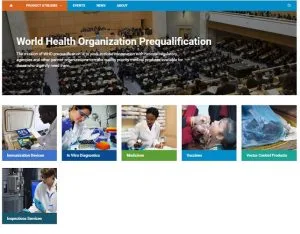
WHO Prequalification Programme for Medicines, WHO Prequalification Programme for In-Vitro Diagnostics, WHO Prequalification of Vaccines, WHO Prequalification of Vector Control Products, WHO/UNFPA Prequalification Programme for Male Latex Condoms, WHO/UNFPA Prequalification...
AUTHOR: WHO LANGUAGE: English FILE FORMAT: Web Link

WHO Prequalification of Quality Control Laboratories

World Health OrganizationA quality control laboratory prequalification has been established by WHO to enhance in-country capacities for the quality control of medicines.
AUTHOR: WHO LANGUAGE: English FILE FORMAT: Web Link

WHO Collaborative Procedure for Accelerated Registration

WHO has also established general requirements for quality assurance systems for procurement agencies to ensure that transactions with partners ultimately result in procuring health products of the best possible quality:
AUTHOR: WHO LANGUAGE: English FILE FORMAT: Web Link

55th report of the WHO Expert Committee on Specifications for Pharmaceutical Preparations

Relevant sections include:Annex 9: Guidelines on the implementation of the WHO certification scheme on the quality of pharmaceutical products moving in international commerceAnnex 10: Good reliance practices in the regulation...
AUTHOR: WHO LANGUAGE: English FILE FORMAT: PDF

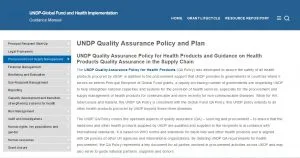
UNDP Quality Assurance Policy and Plan – UNDP-Global Fund and Health Implementation Guidance Manual

United Nations Development Programme
AUTHOR: UNDP LANGUAGE: English FILE FORMAT: Web Link

Regulatory System Strengthening

Countries can benefit from WHO guidance and tools for strengthening national regulatory authority functions, as well as for enabling and speeding up registration of WHO-prequalified and stringent national regulatory authority-registered...
AUTHOR: WHO LANGUAGE: English FILE FORMAT: Web Link

Global Fund Quality Assurance Policy for Pharmaceutical Products

The Global Fund
AUTHOR: The Global Fund LANGUAGE: English FILE FORMAT: PDF

Global Fund Quality Assurance Policy for Diagnostics Products

The Global Fund
AUTHOR: The Global Fund LANGUAGE: English FILE FORMAT: PDF

Guide to Global Fund Policies on Procurement and Supply Management of Health Products

The Global FundGlobal Fund principles and standards related to quality assurance of health products are summarized in this booklet
AUTHOR: The Global Fund LANGUAGE: English FILE FORMAT: PDF

UNDP Programme and Operations Policies and Procedures: Quality Assurance for Health Products

United Nations Development Programme
AUTHOR: UNDP-POPP LANGUAGE: English FILE FORMAT: Web Link

WHO Model Quality Assurance System for Procurement Agencies (MQAS)

World Health Organization
AUTHOR: WHO LANGUAGE: English FILE FORMAT: PDF

Policies and regulations enabling innovation and access to essential health technologies

Purpose

Policies, laws and regulations have a direct impact on innovation and access to essential health technologies. National, regional and global policies, laws and regulations can be designed and implemented to promote policy coherence and enhance both research and development and access to essential vaccines, medicines, diagnostics and other health technologies.

Governments should strengthen national level policy and institutional coherence between trade and intellectual property, the right to health and public health objectives by establishing national interministerial bodies to coordinate laws, policies and practices that may impact on health technology innovation and access.

United Nations (2016). Report of the United Nations Secretary-General’s High-Level Panel on Access To Medicines

The COVID-19 pandemic has further revealed the significance of enabling policies and regulations for equitable health access. It has seen a vast increase in urgent legislative action to control and reduce the pandemic. Well-designed laws can help build strong health systems, evaluate and approve safe and effective drugs and vaccines, advance human rights and enforce actions to create healthier and safer public spaces and workplaces.

UNDP’s approach

UNDP provides support in low- and middle-income countries to conduct assessments and create enabling policy, legal and regulatory environments to influence access to essential medicines and other health technologies. This includes by convening comprehensive and multisectoral reviews of policies, laws and regulations that affect health technologies, disseminating best practices and providing advisory services and technical assistance as needed. UNDP draws on networks of expertise, including for health policies, laws and regulations relevant for ministers of health and regulators of medicine and other health technologies, competition and intellectual property authorities and other relevant authorities and stakeholders.

Through partnerships such as the Access and Delivery Partnership and the Global Health Innovative Technology (GHIT) Fund, UNDP supports both research and development and access to new health technologies for malaria, tuberculosis and other neglected diseases in developing countries. UNDP specifically supports the building of national capacities for enabling legal, policy and regulatory frameworks for the introduction of new health products for these diseases.

Access and Delivery Partnership: ensuring the safety of the new malaria vaccine in Ghana and Malawi

A powerful new tool in the global fight against malaria has the potential to save millions of children’s lives. After decades of development, malaria vaccines offer huge promise in combating one of the world’s oldest diseases. RTS,S is the first malaria vaccine to demonstrate significant reductions in malaria deaths among young children in a large-scale trial. Through an ongoing pilot roll-out programme assessing the vaccine’s efficacy and evaluating its safety, the global health community is one step closer to controlling malaria in sub-Saharan Africa and around the globe. Read more

UNDP works closely with the World Health Organization and other United Nations agencies on the development of knowledge products and guidance to increase innovation and access to health technologies. Several publications have been developed to guide countries to adopt and develop national policies, laws and regulations to increase access to affordable quality-assured health products. See more under key resources below. Collaboration has also included joint efforts to inform the establishment of strong legal frameworks that promote health equity in countries’ management of the COVID-19 pandemic, including through the creation of the COVID-19 Law Lab.

The work performed by UNDP in policies and regulations is integrated into the national strategic plans for the pharmaceutical sector and the laboratory networks established by the countries’ ministries of health. Procurement of medicines and other health technologies is performed by UNDP in compliance with national laws and regulations.

Examples

Case study: developing enabling laws for access to medicines

UNDP has supported countries in the Asia-Pacific region and in Eastern Europe and Central Asia to develop national medicines policies and bring together government officials and stakeholders from different sectors around a common approach. In Myanmar, important legal provisions were added to a new draft intellectual property law to ensure access to affordable essential medicines and greater public participation. In Cambodia, technical support was provided for the drafting of a law to enable the government to secure affordable life-saving medicines. In Eastern Europe and Central Asia, UNDP has provided advisory services on access to essential medicines. In Kyrgyzstan, UNDP supported a patent law reform to include an agreement on trade-related aspects of intellectual property rights-related public health flexibilities. UNDP has also advised on access issues in Kazakhstan, Moldova, Tajikistan and Ukraine. UNDP released a comprehensive analysis of the regulatory framework of 11 countries in the region, including registration and licensing of HIV medicines to promote sustainable financing of national HIV responses.

Learn more: United Nations Development Programme (2014) Legal and regulatory frameworks for antiretroviral medicines and treatment in selected countries of the Commonwealth of Independent States. A Sub-regional Analytical Report including Belarus, Kazakhstan, Russia, Tajikistan, and Uzbekistan

Reforms to promote access to health technologies in South Africa

UNDP helped countries build the necessary capacities to drive the reforms needed to improve access to health technologies. In South Africa, UNDP has supported work included in the country national strategic plan on the pursuit of the law reform recommendations to enable the right to essential and life-saving medicines. Among other activities, UNDP has supported a study on policy options available to South Africa through the reform of three interrelated areas of law affecting access to essential medicines: patent, competition and medicines law.

Learn more: United Nations Development Programme (2013) Using Law to Accelerate Treatment Access in South Africa: An Analysis of Patent, Competition and Medicines Law

Key Resources

Intellectual Property and Trade

Information related to WHO’s work on intellectual property, including that related to commissions and intergovernmental working groups established within the WHO governance system.
AUTHOR: WHO LANGUAGE: English FILE FORMAT: Web Link

Medicines Affordability and Pricing

Additional WHO guidance on the pricing of medicines can be found on this webpage
AUTHOR: WHO LANGUAGE: English FILE FORMAT: Web Link

Guide to Global Fund Policies on Procurement and Supply Management of Health Products

The Global Fund policy related to compliance with international and national laws, including on aspects related to access to health technologies.
AUTHOR: The Global Fund LANGUAGE: English FILE FORMAT: PDF

MedsPaL

The Medicines Patent Pool has established a database on patents for selected categories of medicines (HIV, tuberculosis, hepatitis, and other patented medicines included on the WHO essential medicines list).
AUTHOR: The Medicines Patents and Licences Database (MedsPaL) LANGUAGE: English FILE FORMAT: Web Link

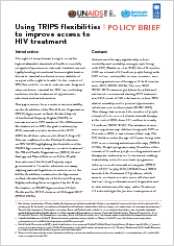
Policy Brief: Using TRIPS Flexibilities to Improve Access to HIV Treatment

Joint United Nations Programme on HIV/AIDS, United Nations Development Programme, World Health Organization.
AUTHOR: UNAIDS LANGUAGE: English FILE FORMAT: Web Link

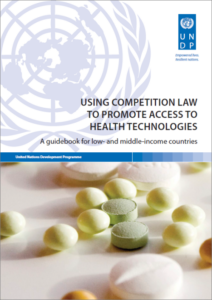
Using Competition Law to Promote Access to Health Technologies: A Guidebook for Low-and-Middle income countries

United Nations Development Programme
AUTHOR: UNDP LANGUAGE: English FILE FORMAT: Web Link

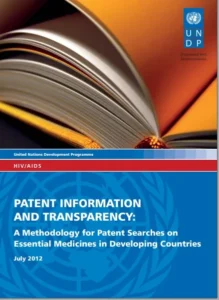
Patent Information and Transparency: Searches on Essential Medicines in Developing Countries

United Nations Development Programme
AUTHOR: UNDP LANGUAGE: English FILE FORMAT: PDF

Global Health Innovative Technology Fund (GHIT)

AUTHOR: GHIT LANGUAGE: English FILE FORMAT: Web Link

The Access and Delivery Partnership

AUTHOR: UNDP LANGUAGE: English FILE FORMAT: Web Link

Case study: strengthening health procurement and supply chain management systems in Zimbabwe

UNDP is working in close collaboration with partners and national authorities to strengthen the national supply chain management system for health products in Zimbabwe, including with the national medicines regulatory authorities on quality monitoring and control. This support has formed part of UNDP’s broader health systems strengthening interventions implemented through its partnership with the Global Fund to Fight AIDS, Tuberculosis and Malaria (Global Fund).

Initially, UNDP’s support to the government on procurement and supply chain management (PSM) entailed a range of interconnected activities including:

  • carrying out a comprehensive assessment of the national pharmaceutical supply chain system in 2013 and using the findings to develop a costed action plan;
  • working with the the Ministry of Health and Child Care, the Global Fund Country Coordination Mechanism and key partners to mobilize funding to implement the endorsed costed action plan regularly reviewed;
  • working with the the Ministry of Health and Child Care and partners in developing strong quantification processes for health products through a robust and inclusive quantification working group using well established quantification tools;
  • strengthening health products quality assurance processes and capabilities of the Medicines Control Authority of Zimbabwe (MCAZ);
  • working with the National Pharmaceutical Company (NatPharm)—the central medical store—and in coordination with other development partners to develop their capacity and enhance stock management and optimize their services to the health care system since 2011;
  • carrying out a comprehensive assessment of the medical laboratory supply chain system in 2016 and developing a costed action plan for implementation during 2018-2020;
  • developing a viral load reagent rental agreement strategy for HIV viral load testing with key suppliers of in-vitro diagnostics equipment

Together, this support has promoted the population’s increased access to quality assured essential medicines and other health products for malaria, HIV and tuberculosis, and beyond, and improved the quality of health services.

Additional examples of the support provided for different aspects of the supply chain are described below.

Inventory and distribution: The capacity of both NatPharm and the Ministry of Health and Child Care to store and manage inventory and distribute essential medicines has been developed through:

  • the renovation and building of new NatPharm regional storage warehouses in key provinces such as the regional store in Masvingo;
  • the renovation or construction of new pharmacy stores to improve storage conditions at the Ministry of Health and Child Care service delivery points;
  • the provision, installation and end-users training for two pharmaceutical grade incinerators for waste disposal located in NatPharm stores;
  • the development of a national waste management plan and standard operating procedures
  • collaboration with the Ministry of Health and Child Care and partners to build an eLMIS to ensure supply chain real-time data visibility
  • improvements to cold chain storage and distribution systems through the provision of cold room compressors in the central warehouse, refrigerated trucks and data loggers;
  • the provision of new trucks to NatPharm to imporve the health products distribution services to health facilities;
  • equipment of health facilities with solar power systems ensuring sustainable sources of electricity for cold chain and controlled temperature to store vaccines, medicines and diagnostic tests, and to provide back-up power to the electronic health information system at the health facility level
  • the provision and maintenance of laboratory equipment.

Procedures and systems for inventory management. The infrastructural support has been complemented by improvement of warehouse organizational and operational processes and the development of standard operating procedures for inventory management with the support of a supply chain expert embedded in the NatPharm management team, for technical assistance. Together with other health partners, UNDP is supporting the Zimbabwe Assisted Push System (ZAPS). The system standardizes processes for primary health-care facilities in terms of ordering and receiving the products. The ZAPS support makes essential medicines more evenly available to facilities and hospitals and improves accuracy of supply chain information. The ordering team leaders from the district travel to each health facility should agree on the ordering interval, support the counting of all stock, record losses and adjustments, record days out of stock, calculate quantities required for each product and place orders with NatPharm. The completed orders for all health facilities in the catchment area are sent to the nearest NatPharm branch for processing and the subsequent delivery of orders to individual facilities.

Human resources for PSM. Staff from NatPharm and the Ministry of Health and Child Care have engaged in online postgraduate PSM training, which led to international qualifications. In addition, staff from NatPharm and the Ministry of Health and Child Care have completed training and assessment to obtain accreditation from the Chartered Institute of Purchasing & Supply.

Quality assurance. UNDP has been working with the Medicines Control Authority of Zimbabwe (MCAZ) since 2010 to develop capacity to provide quality assurance of all health products being procured. Through financial support from the Global Fund, UNDP, with partners, has supported MCAZ to improve the infrastructure, equip and develop the capacity of its chemistry laboratory, and obtain the status of a quality control (QC) testing laboratory prequalified by the World Health Organization (WHO) in 2014. MCAZ now acts as a QC laboratory for nationally procured and distributed medicines, and also for other countries in the region that do not yet have a WHO-prequalified laboratory. Since the WHO prequalification of chemistry laboratory, UNDP has been using MCAZ QC testing services to test and monitor the quality of the pharmaceutical products procured with Global Fund grants, in line with the Global Fund quality assurance policy for pharmaceutical products. Consequently, acknowledging the demonstrated competency of MCAZ, UNDP has established a long-term agreement with MCAZ to conduct the QC of medicines for other countries where UNDP acts as interim Principal Recipient for Global Fund grants and/or provides health procurement support.

Pharmacovigilance system strengthening. The pharmacovigilance system was also upgraded for the reporting of adverse drug reactions, from a paper-based to an electronic system through international technical assistance in 2017.

Continued support for the management of health products through UNDP’s long-term partnership with national institutions, the provision of technical assistance and mobilization of donor investments to complement domestic funding for PSM activities has enabled Zimbabwe to demonstrate capacity and leadership towards achieving good-quality pharmaceutical services to the population.

Capacity Development for Health
https://beta-cd4health.org
Generated on December 15, 2025 at 8:06 PM